

Jadugoda Uranium Pollution: NHRC Demands Jharkhand Govt Report in 4 Weeks
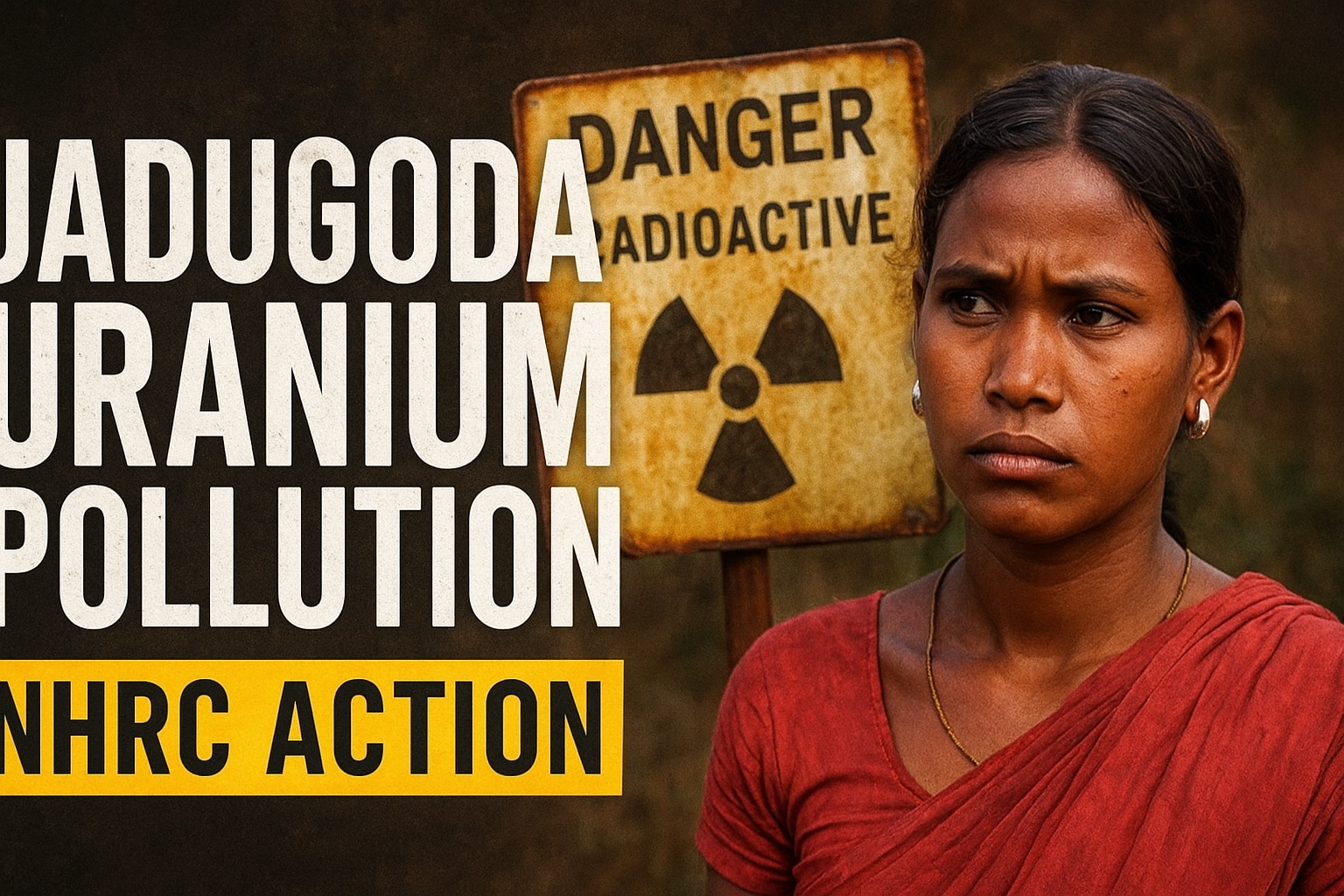
Why Jadugoda Uranium Pollution is Back in News
Table of Contents
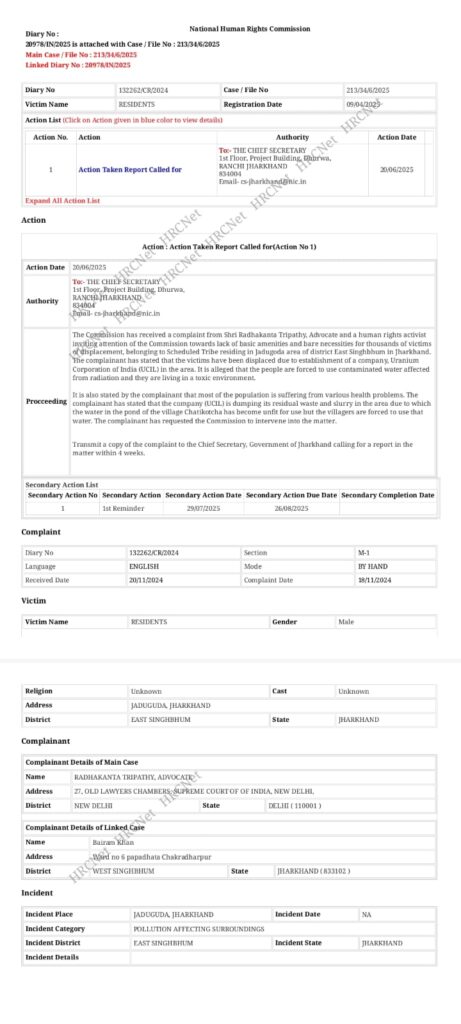
The issue of Jadugoda uranium pollution has once again come under the national spotlight after the National Human Rights Commission (NHRC) took suo motu cognizance of the health and environmental crisis in the region. The Commission has issued a notice to the Jharkhand government, directing it to submit a detailed report within four weeks.
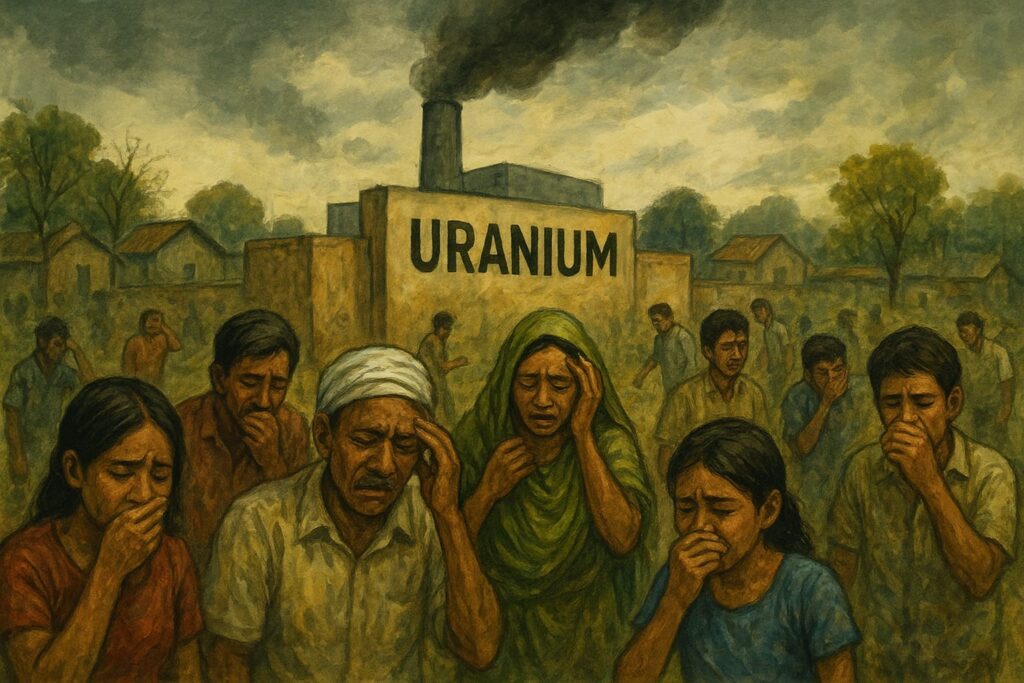
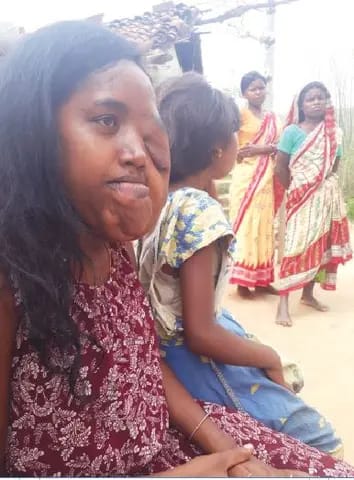
This move has brought renewed hope to thousands of tribal families living around the uranium mines, who have long been battling the consequences of Jadugoda uranium pollution — including contaminated drinking water, rising cases of cancer, congenital disabilities, and forced displacement.
Background of Jadugoda Uranium Mining
The uranium mines of Jadugoda, located in East Singhbhum district of Jharkhand, began operations in the 1960s under the Uranium Corporation of India Limited (UCIL), a government-owned enterprise. Over time, Jadugoda became the backbone of India’s nuclear fuel supply, feeding uranium to nuclear power plants across the country.
But behind this national service lies a dark reality — Jadugoda uranium pollution. Studies, activists, and locals have repeatedly highlighted how radioactive waste, called “tailings,” is being irresponsibly dumped in open ponds and fields. This toxic waste seeps into the soil and groundwater, polluting rivers, streams, and wells that tribal families rely on for daily use.
For decades, villagers have complained that Jadugoda uranium pollution is silently poisoning their lives, while authorities turn a blind eye.
The NHRC Notice to Jharkhand Government
Acting on a complaint filed by human rights activist Bairam Khan and supported by Supreme Court lawyer Radhakant Tripathi, NHRC has directed the Jharkhand Chief Secretary to submit a fact-based report on Jadugoda uranium pollution within four weeks.
The Commission has specifically asked the state to clarify:
- The scale of water and soil contamination due to Jadugoda uranium pollution.
- The health effects being reported among the tribal communities.
- Compensation and rehabilitation efforts for affected families.
- Preventive measures being taken to stop further uranium contamination.
This notice signals a strong stance by NHRC, recognizing Jadugoda uranium pollution as a serious human rights violation.
Impact of Jadugoda Uranium Pollution on Health
The most alarming aspect of Jadugoda pollution is its devastating health impact on local residents. Numerous independent studies and ground reports have recorded:
- High cancer rates compared to state and national averages.
- Birth deformities among children, including skeletal abnormalities and cognitive impairments.
- Infertility and miscarriages reported among women.
- Skin diseases and respiratory illnesses linked to exposure to radioactive dust.
For tribal communities, who have limited access to healthcare, the spread of such diseases has created a cycle of suffering. Families often spend their life savings on treatment, only to lose their loved ones.
Local NGOs argue that Jadugoda uranium pollution has effectively turned villages into a “death zone.”
How Jadugoda Uranium Pollution Affects the Environment
Beyond human health, Jadugoda uranium pollution has had catastrophic effects on the environment. Radioactive tailings stored in unsecured ponds often overflow during monsoon rains, contaminating farmlands. Farmers complain of declining crop yields, infertile soil, and poisoned water bodies.
Wildlife in the forests surrounding Jadugoda is also affected, as radioactive waste enters the food chain. Long-term environmental degradation due to Jadugoda uranium pollution could have irreversible impacts not only on the region but also on broader ecosystems.
UCIL’s Response to Pollution Allegations
The Uranium Corporation of India Limited (UCIL), which operates the mines, has consistently denied large-scale damage. UCIL maintains that its waste management practices meet environmental standards and that claims about health impacts of Jadugoda uranium pollution are “exaggerated” and “unscientific.”
However, activists argue that UCIL has resisted independent assessments and instead relied on internal studies that downplay risks. This lack of transparency has fueled distrust among locals and activists, who see UCIL as more interested in profit and national supply than in protecting lives.
Voices of the Tribal Communities
For the tribal communities living in Jadugoda — including the Santhal, Ho, and Munda tribes — Jadugoda uranium pollution has meant a constant battle for survival. Villagers narrate harrowing stories of losing family members to cancer, of children born with deformities, and of young men rendered infertile before marriage.
One villager reportedly told activists:
“Every house here has a story of death or disease. If you drink water, you fall sick. If you farm the land, your crops fail. Where do we go?”
The cultural and social fabric of tribal life is breaking down as Jadugoda uranium pollution forces migration, unemployment, and despair.
Legal and Policy Implications of NHRC Action
The NHRC intervention in Jadugoda uranium pollution is significant because it highlights the tension between India’s energy security and human rights obligations.
Legal experts believe that if the Jharkhand government’s report confirms negligence, UCIL may face:
- Court-ordered compensation to affected families.
- Strict environmental compliance measures.
- Possible closure or suspension of unsafe operations.
The case could also set a legal precedent for environmental justice in India, especially for vulnerable tribal populations who are disproportionately impacted by industrial projects.
The Way Forward
With NHRC’s notice in place, the Jharkhand government has four weeks to respond. Activists are demanding:
- Independent medical surveys to assess the real impact of Jadugoda uranium pollution.
- Safe drinking water and medical facilities for affected villages.
- Rehabilitation and compensation packages for displaced families.
- Stricter monitoring of UCIL’s operations.
If these steps are not implemented, the crisis of Jadugoda uranium pollution may only deepen, pushing communities into further despair.
Global Perspective on Uranium Pollution
Jadugoda is not the only region suffering from uranium-related pollution. Across the world, indigenous populations in countries like the U.S., Canada, and Australia have faced similar issues. International studies confirm that uranium mining disproportionately affects native communities who live closest to mines.
Thus, Jadugoda uranium pollution is not just a local or national issue — it is part of a global environmental justice struggle.
Conclusion: A Test for Accountability
The NHRC’s intervention marks a turning point in the decades-long struggle against Jadugoda uranium pollution. For the first time in years, there is institutional pressure on the government to respond.
Whether this translates into real change depends on how seriously the Jharkhand government and UCIL act. For the tribal families of Jadugoda, who have been bearing the brunt of radiation silently for decades, this report may decide their future.
If ignored, Jadugoda uranium pollution will remain one of India’s darkest human rights failures. But if acted upon, it could become a landmark case of justice and rehabilitation for marginalized communities.
FAQs on Jadugoda Uranium Pollution
Q1. What is Jadugoda uranium pollution?
A: It refers to contamination caused by uranium mining and waste disposal in Jadugoda, Jharkhand, leading to health and environmental damage.
Q2. Who operates the uranium mines in Jadugoda?
A: The mines are operated by Uranium Corporation of India Limited (UCIL), a public sector undertaking.
Q3. How has Jadugoda uranium pollution affected people?
A: Villagers report high cancer rates, birth defects, infertility, and other radiation-related diseases.
Q4. What action has NHRC taken on Jadugoda uranium pollution?
A: NHRC has issued a notice to the Jharkhand government, demanding a detailed report within four weeks.
Q5. Can Jadugoda uranium pollution be prevented?
A: With stricter waste management, safe drinking water facilities, and proper rehabilitation, its impact can be reduced.