

💊 Trump Medicine Tariff: 200% Tax Plan’s Global Impact
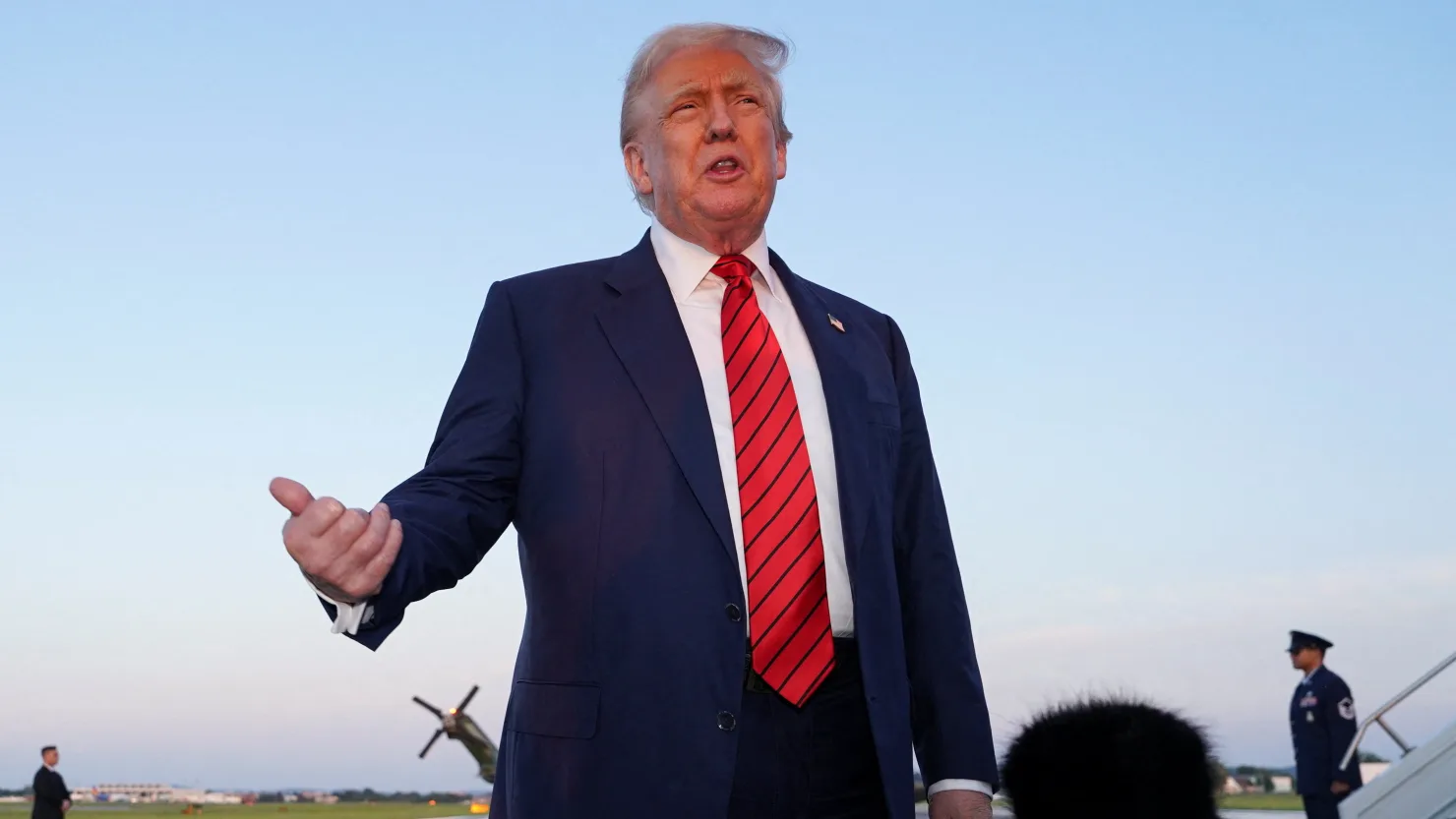
Table of Contents
A Policy That Could Shake the World of Healthcare
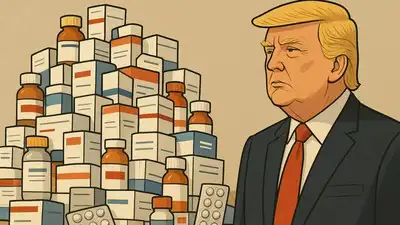
U.S. President Donald Trump has once again stirred global debate with his controversial medicine tariff plan. According to reports, Trump is considering imposing a 200% or even higher tariff on imported medicines, a move that could drastically alter the global pharmaceutical market.
This proposed Trump medicine tariff is not just a trade policy—it is a decision that could reshape the healthcare system in the United States, disrupt pharmaceutical exports from countries like India, and increase the burden on American citizens who are already struggling with high medical costs.
While Trump’s supporters argue that the policy is aimed at protecting domestic pharmaceutical companies, critics warn that it may backfire, hurting American patients more than foreign producers.
Background: Trump’s History with Tariffs
The Trump medicine tariff proposal is not an isolated decision. Throughout his political career, Trump has leaned on aggressive tariff policies to strengthen America’s negotiating power.
- Steel & Aluminum Tariffs: Earlier, his administration imposed high tariffs on steel and aluminum imports.
- China Trade War: Heavy duties were placed on Chinese goods, sparking a prolonged trade war.
- European Union Disputes: Recently, a 15% tariff was imposed on some medicines and goods imported from Europe.
The 200% medicine tariff is the most aggressive move yet, and it targets a sector that directly impacts people’s lives.
Why Target Medicines?
According to policy insiders, Trump’s logic behind the medicine tariff is threefold:
- Boost Local Production – By making foreign drugs more expensive, American pharmaceutical companies may scale up production.
- Trade Leverage – The move could be used to negotiate better deals with countries like India, China, and Europe that export large volumes of generic medicines.
- Political Agenda – Tariffs have been a signature part of Trump’s economic policy, appealing to his voter base that favors domestic-first strategies.
However, medicines are not like steel or textiles—they are life-saving essentials, and such a move could have devastating consequences.
India’s Stake: The World’s Pharmacy at Risk
India is known as the “Pharmacy of the World” because it supplies affordable generic medicines to more than 200 countries, including the United States.
- Nearly 40% of generic medicines used in the U.S. are imported from India.
- India’s pharmaceutical exports to the U.S. are worth $7 billion annually.
- A 200% medicine tariff would make Indian drugs unaffordable for millions of Americans.
For India, this policy could result in:
- Loss of export revenue.
- Job cuts in the pharma manufacturing sector.
- Overcapacity issues in production units designed to serve U.S. demand.
Thus, the Trump medicine tariff could hit India hard, both economically and diplomatically.
Impact on American Consumers
Ironically, the biggest losers from the Trump medicine tariff may not be foreign pharma companies, but American citizens themselves.
- Rising Drug Prices: Medicines that were earlier affordable could see prices double or triple overnight.
- Healthcare Burden: Families already burdened with insurance premiums will face higher out-of-pocket costs.
- Limited Access: Patients dependent on imported generics may struggle to find affordable alternatives.
For example:
- A life-saving cancer drug that currently costs $100 could cost $300 or more under the Trump medicine tariff.
- Diabetic patients relying on Indian-made insulin could face severe shortages.
Public health experts warn that this could worsen inequality, as poorer Americans may be forced to choose between food and medicines.
Global Reactions to Trump Medicine Tariff
- India: Strong opposition expected, with demands for exemptions on critical medicines.
- European Union: May retaliate with tariffs on American goods, escalating trade tensions.
- China: Already in a trade war with the U.S., may use this to strengthen ties with India and Europe.
- Pharma Industry: Both U.S. and foreign companies fear disruption in global supply chains.
International humanitarian organizations have also criticized the move, calling it a “threat to global healthcare accessibility.”
Economic Analysis: Who Wins, Who Loses?
Winners:
- U.S. pharmaceutical giants (short-term).
- Politicians selling “America First” narratives.
Losers:
- American patients (higher drug costs).
- Indian pharma exporters (loss of market share).
- Global healthcare organizations (reduced access to affordable drugs).
In the long run, even U.S. pharma companies may lose, as countries could retaliate with tariffs on American medical devices and raw materials.
Case Study: Lessons from Europe’s 15% Tariff
Recently, the U.S. imposed a 15% tariff on certain European medicines. The result:
- Prices for some drugs increased in U.S. pharmacies.
- European exporters absorbed some costs, but consumers still paid more.
- Trade negotiations became more strained.
If a 15% tariff caused disruption, experts fear a 200% medicine tariff will create a full-blown healthcare crisis.
Political Angle: Trump’s Gamble in Election Season
The Trump medicine tariff also has a political angle. Trump has often used protectionist policies to energize his voter base. By projecting himself as a leader who protects American industries, he gains short-term political mileage.
However, the risk is enormous—if medicine prices skyrocket before elections, it could backfire, turning voters against him.
Future Outlook: What Lies Ahead?
- Negotiations: India and other countries may lobby for exemptions.
- Court Challenges: American patients and advocacy groups may challenge the tariff legally.
- Market Shifts: Countries like Canada and Mexico may emerge as alternative suppliers.
- Healthcare Strain: Rising costs may lead to policy reversals if public backlash intensifies.
The Trump medicine tariff remains uncertain, but if implemented, it could mark a turning point in global healthcare economics.
Conclusion: A Policy with Global Consequences
The Trump medicine tariff is more than a trade decision—it is a healthcare crisis in the making. While Trump may aim to boost local manufacturing, the reality is that such a move could:
- Increase medicine prices in the U.S.
- Hurt India’s pharmaceutical industry.
- Destabilize global healthcare supply chains.
As the world watches closely, the Trump medicine tariff could be remembered either as a bold attempt to reform trade—or as a short-sighted policy that endangered millions of lives.
FAQs on Trump Medicine Tariff
Q1. What is Trump’s medicine tariff plan?
A: A proposed 200% tariff on imported medicines to boost domestic pharma production.
Q2. How will this impact India?
A: India, which supplies 40% of U.S. generics, may lose billions in exports.
Q3. Will American consumers suffer?
A: Yes, drug prices are expected to rise sharply, affecting affordability.
Q4. Why is Trump targeting medicines?
A: To reduce dependency on foreign drugs and strengthen U.S. pharma industries.
Q5. Could this policy be reversed?
A: Yes, strong public backlash and international pressure could force policy changes.