


Bike GST Rate Cut 2025: 10 Shocking Positive News

Table of Contents
Bike GST Rate Cut 2025: What You Must Know
The Bike GST Rate Cut debate in India has taken center stage as the government prepares to ease consumer burdens ahead of the festive season. With motorcycles and scooters forming the backbone of Indian mobility, millions of buyers are keenly watching the upcoming GST Council meeting scheduled for September 3–4, 2025. Industry bodies, policymakers, and ordinary citizens expect a shift in tax treatment that could drastically reshape affordability. In this detailed analysis, we explain what the proposed changes mean, how much money riders could save, and what the future of the two-wheeler market could look like after the GST Rate Cut.
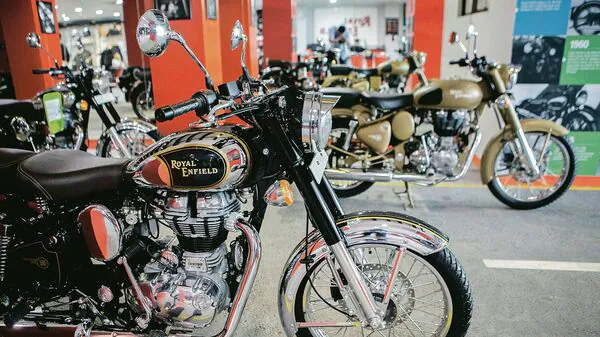
Eicher Motor Chairman Siddhartha Lal urged the Indian government to keep a uniform GST rate on Saturday, 30 August 2025. (Bloomberg)
Current Taxation on Two-Wheelers in India
At present, motorcycles and scooters are taxed at a high 28% GST rate. On top of this, premium motorcycles with an engine capacity above 350cc also attract an additional 3% cess, making the effective burden 31%. This structure classifies two-wheelers as luxury goods, which has long been a contentious issue. For years, manufacturers and trade associations have lobbied for a Bike GST Cut, arguing that two-wheelers are essential transport for the majority of India’s working population rather than luxury items.
What Is the Proposed Bike GST Rate Cut?
Under the new GST 2.0 framework being discussed, the government is considering moving two-wheelers into the 18% GST slab. If approved, the Bike GST Rate Cut would immediately reduce the tax by 10 percentage points on mass-market bikes and scooters. For larger motorcycles, there is some uncertainty. While the industry hopes for uniform treatment at 18%, reports suggest a possible new luxury slab of 40% for models above 350cc. This makes the Bike GST Rate Cut a double-edged sword: great news for commuters, but potentially negative for premium buyers.
Why the Bike GST Rate Cut Matters
The Bike GST Rate Cut is not just about numbers—it directly impacts India’s socio-economic fabric. Two-wheelers are the most popular form of transport in India, with over 22 million units sold annually. Cutting GST could make ownership easier for millions of lower and middle-income families. By lowering upfront costs, a Bike GST Rate Cut will also boost rural mobility, increase workforce participation, and provide relief to students and daily wage earners who rely heavily on affordable motorcycles and scooters.
Price Impact of the Bike GST Rate Cut
Let’s break down the possible savings from the Bike GST Rate Cut.
- A ₹1,00,000 ex-showroom bike currently costs ₹1,28,000 after 28% GST. After the cut to 18%, it would cost ₹1,18,000. That’s a saving of ₹10,000.
- A ₹1,50,000 scooter today becomes ₹1,92,000; after the Bike GST Rate Cut, it could be just ₹1,77,000—saving ₹15,000.
- A ₹3,00,000 premium motorcycle today costs ₹3,93,000 due to 31% GST. If reduced to 18%, it would cost ₹3,54,000—saving ₹39,000. However, if placed in a new 40% slab, the same bike could rise to ₹4,20,000.
This illustrates why the Bike GST Rate Cut outcome matters so much: it could either make premium bikes far more expensive or finally affordable for enthusiasts.
Industry Demands and Bike GST Rate Cut Advocacy
The automobile industry has consistently demanded a Bike GST Rate Cut. The Society of Indian Automobile Manufacturers (SIAM) has repeatedly called for reducing GST on two-wheelers to 18%, arguing that such a move would help demand rebound after sluggish years. Royal Enfield’s leadership has also spoken publicly about the importance of treating motorcycles as essential goods. For manufacturers, a Bike GST Rate Cut means higher sales volumes, better utilization of factories, and more investment in R&D for safer and more fuel-efficient products.
Government’s Rationale Behind the Bike GST Rate Cut
From the government’s perspective, the Bike GST Rate Cut is a balancing act. On one hand, lowering tax rates means less revenue in the short term. On the other hand, cheaper two-wheelers could drive higher sales, which boosts not only GST collections through volume but also petrol sales, insurance premiums, and road tax revenues. The Centre also sees the Bike GST Rate Cut as a politically favorable move ahead of festive shopping seasons, especially in rural and semi-urban areas where motorcycles dominate mobility.
Bike GST Rate Cut and the Festive Season Effect
The timing of the Bike GST Rate Cut is not accidental. In India, September to December marks the festive season, when millions of families make big-ticket purchases. Diwali, Navratri, and Dussehra sales often bring spikes in two-wheeler demand. Implementing the Bike GST Rate Cut during this time ensures that buyers feel immediate relief. This festive cheer could transform into higher consumer sentiment, increased showroom footfall, and better rural demand—all driven by the psychological and financial relief of the Bike GST Rate Cut.
Impact on Rural India from the Bike GST Rate Cut
For rural India, the Bike GST Rate Cut could be revolutionary. Villages and small towns often lack robust public transport, making two-wheelers indispensable. High GST rates have limited affordability for rural buyers, many of whom depend on motorcycles for work, school, and healthcare access. With the Bike GST Rate Cut, a new wave of affordable mobility could sweep across Bharat, enabling farmers, laborers, and students to improve productivity and connectivity. This social impact is a critical justification for the Bike GST Rate Cut.
Bike GST Rate Cut vs Electric Two-Wheelers
It’s important to note that electric two-wheelers already enjoy a low 5% GST rate. The Bike GST Rate Cut debate primarily affects petrol-driven vehicles. However, the tax structure after the Bike GST Rate Cut will also affect how buyers compare ICE and EV options. If petrol bikes become cheaper by 10%, some potential EV buyers may reconsider. Policymakers must ensure that the Bike GST Rate Cut does not stall the electric mobility transition while still providing relief to millions who rely on conventional motorcycles.
International Comparison of Bike Taxes
Globally, two-wheeler taxation is generally lower in countries where motorcycles are treated as commuter vehicles rather than luxuries. In Southeast Asia, GST or VAT rates on bikes are closer to 10–15%. The Bike GST Rate Cut would bring India’s structure closer to global norms, enhancing competitiveness for domestic manufacturers. This shift ensures that the Bike GST Rate Cut is not just a populist move but also a strategic one to align India’s mobility sector with international practices.
The Road Ahead: Policy Scenarios for the Bike GST Rate Cut
Three scenarios could play out:
- Mass Approval: All bikes and scooters, regardless of engine size, shift to 18%. This is the best-case Bike GST Rate Cut outcome for consumers.
- Split Approach: ≤350cc bikes move to 18%, while >350cc bikes face 40%. This creates winners and losers in the Bike GST Rate Cut.
- Staggered Implementation: The Council approves the Bike GST Rate Cut but phases it in over months.
Whichever path is chosen, the Bike GST Rate Cut will leave a lasting mark on consumer behavior, industry strategy, and India’s mobility ecosystem.
Conclusion: What the Bike GST Rate Cut Means for You
The upcoming GST Council decision could mark the biggest tax reform for two-wheelers since GST’s introduction in 2017. For millions of buyers, the Bike GST Rate Cut could mean savings of ₹8,000 to ₹40,000 depending on the model. For the industry, it could trigger double-digit sales growth. For the government, it’s a chance to boost sentiment, mobility, and demand ahead of a crucial festive season. Whether the Bike GST Rate Cut becomes a uniform relief or a mixed blessing depends on the Council’s final call. Either way, September 2025 will be remembered as a milestone in the journey of the Bike GST Rate Cut.
👍